


What Can a Diabetic Eye Exam Detect? Early Warning Signs You Shouldn't Ignore
What Can a Diabetic Eye Exam Detect? Early Warning Signs You Shouldn't Ignore
Clear vision does not always mean diabetes has left your eyes unaffected. Changes can develop inside the eyes before you notice discomfort or difficulty seeing. At Cortez Vision Eye Clinic, we provide diabetic eye exams in Cortez to look for these changes and help patients understand when monitoring or treatment may be needed.
Detecting Diabetic Retinopathy
Diabetic retinopathy develops when high blood sugar damages small blood vessels in the retina, the light-sensitive tissue at the back of the eye. During a diabetic eye exam, we look for signs such as leaking blood vessels, small areas of bleeding, and abnormal new vessel growth.
Early diabetic retinopathy often causes no noticeable symptoms. An exam may reveal damage even when reading, driving, and other daily activities still feel normal.
Finding Swelling That Affects Central Vision
A diabetic eye exam can also identify signs of diabetic macular edema. This occurs when fluid leaks into the macula, the part of the retina responsible for sharp central vision.
Swelling in this area can make words appear blurry or straight lines look wavy. If we suspect swelling, we may recommend additional imaging or a specialist evaluation to determine its extent and the appropriate next steps.
Checking for Cataracts and Glaucoma
Diabetes also increases the risk of cataracts and glaucoma. Cataracts cloud the eye's natural lens and may cause glare, faded colors, or trouble seeing at night. Glaucoma damages the optic nerve and can progress without obvious early symptoms.
We assess the lens, eye pressure, and optic nerve as part of evaluating eye health. Additional testing may be needed if we find signs of glaucoma.
Vision Changes You Should Not Ignore
For our patients in Cortez, we recommend reporting new or persistent changes rather than assuming a glasses prescription needs updating. Symptoms that deserve attention include:
Blurry or fluctuating vision
Wavy lines or difficulty reading
Dark spots, floating strings, or cobweb-like shapes
Faded colors or increased glare
Missing or shadowed areas in your vision
These symptoms can have several causes and do not confirm diabetic eye disease on their own. Sudden vision loss, a sudden increase in floaters, flashes of light, or a curtain across your vision requires immediate evaluation. Seek emergency eye care rather than waiting for a routine appointment.
What to Expect From Your Exam
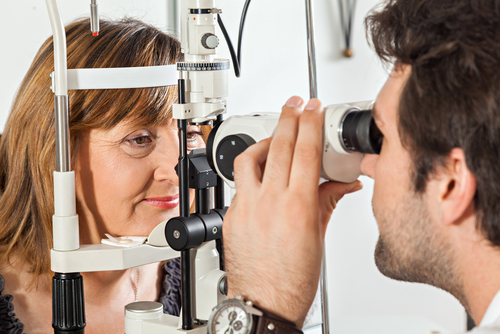
At your visit, we review your diabetes history, current medications, and any vision changes. A comprehensive dilated eye exam allows us to examine the retina closely. Retinal imaging may provide additional information and support ongoing monitoring.
Most people with diabetes need an eye exam at least annually, although we may recommend a different schedule based on your findings and health history. Keeping blood sugar, blood pressure, and cholesterol within the goals set by your medical team also helps protect your eye health.
Give your eye health the attention it deserves - contact Cortez Vision Eye Clinic in Cortez, CO, by calling (970) 565-2020 to schedule your diabetic eye exam.


Our Services
Contact Info
Hours of Operation
- Monday 11:00am - 5:30pm
- Tuesday 8:00am - 5:00pm
- Wednesday 8:00am - 5:00pm
- Thursday 8:00am - 5:00pm
- Friday Closed
- Saturday Closed
- Sunday Closed
© 2026 Cortez Vision Eye Clinic. All rights Reserved. Accessibility Statement - Privacy Policy - Sitemap
Powered by:
